Key Takeaways
- Regular, structured updates improve operations, reduce friction, and help both tenants and owners make better decisions.
- Encouraging tenants to report problems early help avoid expensive repairs and larger complications.
- Clear, responsive, and respectful interactions make tenants more likely to stay, reducing turnover costs.
- Consistent processes and open communication build trust, improve predictability, and strengthen long-term property value.
In North Carolina’s evolving rental landscape property performance is no longer driven by location alone. What often separates stable, profitable portfolios from unpredictable ones is consistent, intentional communication.
At its core, property management is a coordination between people with shared but distinct priorities. Tenants seek comfort, clarity, and responsiveness, while owners focus on reliability, asset protection, and steady returns.
Regular communication bridges these needs, keeping both sides aligned, and when it’s strong, operations run smoother, risks decrease, and long-term value builds. In this article, Louise Beck Properties will go over the importance of communication and how to maintain it.
Communication as a Strategic Asset
Many landlords treat communication as reactive, responding only when something breaks or when rent is late. But in high-performing portfolios, communication is proactive and structured.
Consistent updates, check-ins, and clear expectations shape behavior. Tenants who feel informed are more likely to cooperate. Owners who receive timely insights make better decisions. Over time, this reduces friction across the entire operation.
In competitive North Carolina markets where tenant expectations are rising, communication is part of the service standard.
Preventing Problems Before They Form
One of the most overlooked benefits of regular communication is its ability to stop small issues from becoming expensive ones.
A tenant who feels comfortable reaching out early is more likely to report:
- Minor leaks before they cause structural damage.
- HVAC irregularities before system failure.
- Neighborhood concerns before they escalate into disputes.
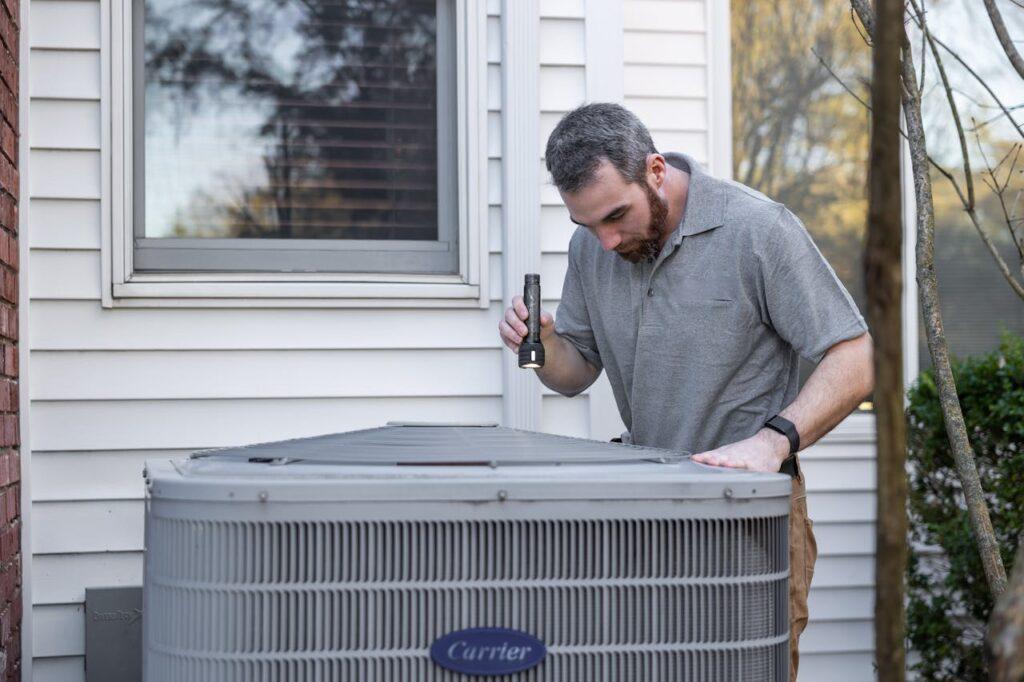
This early visibility is critical. It allows property managers and owners to act while solutions are still simple and cost-effective. Timely communication often turns potential crises into manageable tasks by addressing concerns before they compound.
Strengthening Tenant Retention Through Engagement
Turnover is one of the most expensive aspects of property ownership. Marketing, vacancy periods, cleaning, and repairs all add up quickly.
Communication can directly influence whether tenants stay or leave. When tenants experience prompt replies, clear instructions, respectful tones, and follow-ups after maintenance, they begin to view the rental as a stable living environment.
Aligning Owners With Real-Time Property Performance
Owners need visibility into what’s happening on the ground. Regular reporting and updates allow owners to:
- Understand maintenance trends.
- Anticipate capital expenditures.
- Track tenant behavior and satisfaction.
- Evaluate leasing performance.
Without this flow of information, owners are forced into reactive decision-making, often based on incomplete or delayed data. Clear communication transforms ownership from passive oversight into informed asset management.
Creating Predictability Through Systems
Consistency matters more than frequency. A well-structured communication system ensures that nothing falls through the cracks.
Effective frameworks typically include:
- Scheduled property updates (monthly or quarterly).
- Defined response time standards (e.g., within 24 hours).
- Clear maintenance request channels.
- Pre-lease and move-in communication protocols.
When systems are in place, both tenants and owners know what to expect. This predictability reduces uncertainty.

It also reinforces professionalism, something increasingly important in markets where tenants compare rental experiences the same way they compare service businesses.
Adapting to Different Communication Preferences
Not all tenants communicate the same way. Some prefer quick text updates. Others expect detailed emails. Owners may want structured reports or direct calls.
Recognizing and adapting to these preferences improves efficiency and reduces miscommunication.
A one-size-fits-all approach often leads to missed messages, delayed responses, or frustration. A flexible approach, on the other hand, makes interactions smoother and more effective.
Transparency Builds Long-Term Stability
Difficult conversations are inevitable in property management, rent adjustments, policy changes, or unexpected repairs.
Transparent explanations, whether tied to rising property taxes, insurance costs, or market conditions, help tenants and owners understand the reasoning behind decisions. This reduces resistance and builds trust over time.
Silence or vague communication, on the other hand, creates uncertainty, which often leads to conflict.
The Role of Follow-Through
After a repair is completed, a quick check-in confirms resolution. After an inspection, a summary reassures both tenant and owner. After a concern is raised, updates maintain confidence that it’s being handled.
These small actions reinforce accountability, and over time, they define the quality of management.
Emergency Readiness Starts With Clear Communication
In coastal and storm-prone areas of North Carolina, preparation is essential.
Tenants should always know:
- Who to contact in emergencies.
- How to shut off utilities if needed.
- What steps to take during severe weather.

Clear, pre-established communication protocols reduce panic and prevent damage during high-pressure situations.
The Financial Impact of Staying Connected
Strong communication directly influences the bottom line.
It leads to:
- Lower turnover costs.
- Faster issue resolution.
- Reduced major repair expenses.
- Higher tenant satisfaction and lease renewals.
Over time, these advantages compound. Properties operate more smoothly, specifically vacancies shorten, and reputations strengthen, making future leasing easier.
In a state where rental demand continues to grow, reputation is a powerful differentiator.
Final Takeaway
Regular communication is a management strategy. It keeps tenants engaged, owners informed, and operations aligned. When done consistently and thoughtfully, it reduces risk, improves retention, and enhances the overall performance of a rental portfolio.
Property owners who prioritize communication build systems that sustain long-term value. Managing communication across tenants, maintenance, and ownership demands time, structure, and consistency.
If you’re ready to improve tenant retention, reduce operational stress, and gain clearer visibility into your investment, partnering with a professional property management team can make all the difference.
Let experienced professionals handle the day-to-day communication, so your property performs exactly the way it should.
Contact Louise Beck Properties today to get started!