

Key Takeaways
- Pet-friendly rentals attract more tenants by increasing visibility, inquiries, and applications from a larger pool of renters.
- Pet owners often stay longer, reducing costly turnover expenses such as vacancies, cleaning, and advertising.
- Allowing pets can increase revenue through pet rent, deposits, and fees that help offset potential maintenance costs.
- Success depends on clear policies and screening, including pet evaluations, lease addendums, regular inspections, and compliance with housing regulations.
For many landlords, the phrase “pet-friendly rental” still raises immediate concerns. Scratched flooring, lingering odors, barking complaints, and unexpected repair costs are often the first things that come to mind.
Because of this, countless rental owners continue enforcing strict no-pet rules in an effort to protect their properties.
But across North Carolina, renter expectations are evolving. More tenants now own pets, and many refuse to consider housing that does not accommodate them.
In cities like Raleigh, Charlotte, Durham, Greensboro, and Wilmington, pet-friendly listings are increasingly attracting stronger attention than comparable rentals with restrictive policies.
In this article, Louise Beck Properties will go over how to have a structured pet-policy that can improve occupancy while maintaining strong property standards.
Limiting Pets May Also Limit Demand
Many renters begin filtering housing options online before contacting a landlord. One of the most common search filters is whether pets are permitted.
If a property prohibits animals entirely, it may never even appear in front of qualified applicants who own pets. This can reduce exposure significantly, particularly in markets where pet ownership is common.
North Carolina’s growing population has created strong rental demand in many regions, but competition between listings remains active. Renters are comparing not only pricing and location, but also lifestyle flexibility.
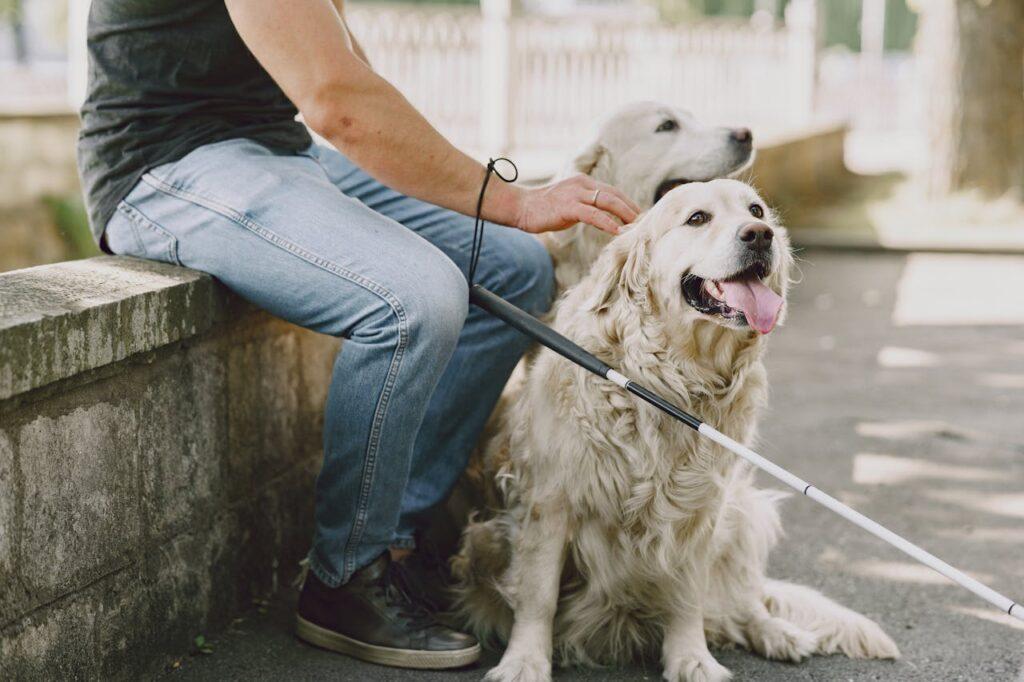
Properties that welcome pets often receive:
- More inquiries.
- Greater showing activity.
- Faster application volume.
- Broader applicant reach.
This expanded visibility can help landlords lease vacancies more efficiently without relying heavily on price reductions.
Pet Owners Often Stay Put Longer
Relocating with pets is rarely simple. Renters must find housing that accepts animals, coordinate transportation, adjust routines, and often pay additional deposits or fees during every move.
Because pet-friendly inventory can be limited, many tenants become highly motivated to remain in rentals where their animals are welcome. For landlords, longer tenancy periods create meaningful financial benefits.
High turnover can quietly erode annual profits through:
- Vacancy losses.
- Cleaning costs.
- Advertising expenses.
- Repainting.
- Maintenance downtime.
- Leasing fees.
Reducing turnover frequency helps stabilize cash flow and lowers the operational workload tied to constantly preparing units for new occupants.
Pet-Friendly Rentals Can Generate Additional Income
Many landlords focus heavily on the risks tied to pets while overlooking the financial upside they may create.
Depending on local regulations and lease structure, landlords may charge:
- Monthly pet rent.
- Pet deposits.
- One-time pet fees.
- Additional cleaning fees.
For many renters, these costs are expected and accepted as part of securing pet-friendly housing. Additional pet income can help offset future maintenance expenses tied to carpet replacement, extra cleaning, landscaping touch-ups, or minor repairs.

Some landlords also discover that pet-friendly upgrades increase rental appeal substantially. Durable flooring, fenced yards, washable paint finishes, and nearby outdoor access can strengthen marketing value without requiring major renovation budgets.
Responsible Pet Owners Can Be Strong Long-Term Tenants
Owning a pet often requires budgeting, routine, and consistency. Many landlords find that responsible pet owners also approach housing with a stronger sense of stability.
Tenants who know pet-friendly housing can be difficult to find are often motivated to:
- Pay rent consistently.
- Follow lease rules carefully.
- Avoid conflicts.
- Maintain positive landlord relationships.
Of course, screening remains essential. Not every pet owner will automatically become an ideal tenant. However, refusing all animals outright may unintentionally eliminate highly qualified applicants with strong financial and rental histories.
A stronger strategy is often selective approval rather than blanket prohibition.
Pet Screening Matters Just as Much as Tenant Screening
Successful pet-friendly rentals rely heavily on structure. Landlords should evaluate not only the renter, but also the pet itself.
A thoughtful screening process may include:
- Vaccination records.
- Breed and size information.
- Veterinary references.
- Previous landlord feedback.
- Behavioral history.
This process helps reduce unnecessary risks while still allowing landlords to access a broader market of renters. Some landlords also establish limits on number of pets, animal types, weight thresholds, restricted breeds, and outdoor supervision rules.
Clear standards create consistency and reduce confusion during the lease term.
Strong Lease Language Prevents Many Common Problems
One of the biggest mistakes landlords make is allowing pets informally without detailed written policies.

A pet addendum should clearly outline:
- Approved animals.
- Noise expectations.
- Waste disposal requirements.
- Property damage responsibilities.
- Leash rules.
- Unauthorized pet penalties.
- Cleaning expectations at move-out.
When expectations are documented properly, landlords gain a stronger framework for enforcement if problems arise later. Routine inspections can further help identify issues early before they become expensive repairs.
Insurance and Fair Housing Rules Require Attention
Before approving pets, landlords should review insurance policies carefully. Some providers impose liability restrictions tied to specific breeds or animal-related incidents.
North Carolina landlords must also understand the legal distinction between ordinary pets and assistance animals under Fair Housing regulations.
Service animals and emotional support accommodations involve different legal obligations and should not be treated under standard pet policies.
Staying informed about insurance requirements and housing regulations helps landlords avoid costly compliance mistakes.
Pet-Friendly Housing Reflects Modern Renter Expectations
Today’s renters increasingly view pets as part of everyday life rather than optional additions. In many North Carolina communities, pet-friendly housing is becoming less of a niche feature and more of a competitive expectation.
Landlords who adapt thoughtfully may position themselves more effectively for long-term success.
Final Thoughts
For North Carolina landlords, allowing pets can offer important advantages, including larger applicant pools, longer tenant retention, additional rental income, and stronger market appeal when managed properly.
Success still depends on careful screening, clear lease policies, regular inspections, and consistent management.
Partnering with an experienced property management company can help landlords maintain compliance, reduce risk, and protect the long-term performance of their rental investments. Contact Louise Beck Properties today.