Key Takeaways
- Depreciation is an accounting deduction that reduces taxable income, even while a property’s market value and rental income may increase.
- Residential properties are typically depreciated over 27.5 years and commercial properties over 39 years, excluding land value.
- While depreciation lowers annual tax liability, it can trigger recapture taxes when the property is sold.
- Proper basis allocation, understanding, capital improvement, and professional guidance help landlords optimize depreciation and long-term returns.
One of the most essential, yet often misunderstood, concepts in real estate management is depreciation. Depreciation plays a crucial role in long-term investment strategy, tax planning, and the assessment of a property’s overall performance.
Although people usually associate depreciation with a decline in physical condition, in the financial context of real estate, it means something different. The fact is that depreciation can occur alongside increasing property values and rising rental income.
In this article, Louise Beck Properties will provide a comprehensive overview of depreciation, including its application to rental properties and its effects on property value.
Understanding Depreciation in Real Estate
In the real estate world, depreciation is the gradual allocation of a property’s cost over a specific period for tax purposes. This concept assumes that over time, buildings and some upgrades experience wear and have a limited useful life.
Under federal tax rules, this concept recognizes that land does not depreciate, but that structures and qualifying components are subject to depreciation.
Depreciation is a tax concept and not a cash expense. For that reason, it does not require any out-of-pocket expenses during the years it is claimed. Rather, this non-cash deduction is designed to showcase the aging and use of property to produce income. Although rental income may remain the same, depreciation usually increases cash flow by reducing tax liability.
How Depreciation is Calculated for Rental Properties
Tax regulations govern depreciation calculation. As such, it must follow specific guidelines. Commercial properties are depreciated over 39 years, while residential properties are usually depreciated over 27.5 years.

According to the IRS, this time frame represents the structure’s useful life. Typically included in the depreciable basis are:
- The property’s purchase price.
- Some closing costs.
- Capital improvements.
The value of land is always excluded during depreciation calculation. It must be separated from the building’s value at the time of acquisition.
- Straight line depreciation: Straight line depreciation is used by most landlords. Here, deductions are evenly spread over the property’s useful life. This approach simplifies tax planning because annual deductions are predictable.
Depreciation Versus Market Appreciation
Most landlords often have the misconception that depreciation means declining property values. However, both depreciation and appreciation can occur together.
External factors such as demand, supply, economic conditions, location, and zoning drive market values. On the other hand, depreciation is an accounting concept that considers a building’s age and use.
For tax purposes and on paper, a rental property may depreciate, but its market value significantly appreciates due to rising demand, infrastructure investment, and neighborhood growth.
To make an informed decision, it’s essential to understand the difference between economic value and accounting depreciation. While appreciation impacts resale potential and equity, depreciation affects taxable income.
The Role of Physical Wear and Functional Obsolescence
Physical depreciation showcases aging and actual wear, but tax depreciation is already decided. Normal wear and tear on structural components, flooring, HVAC systems, plumbing, and roofs are part of physical deterioration. Physical depreciation can have negative impacts on tenant satisfaction and property value if not addressed.
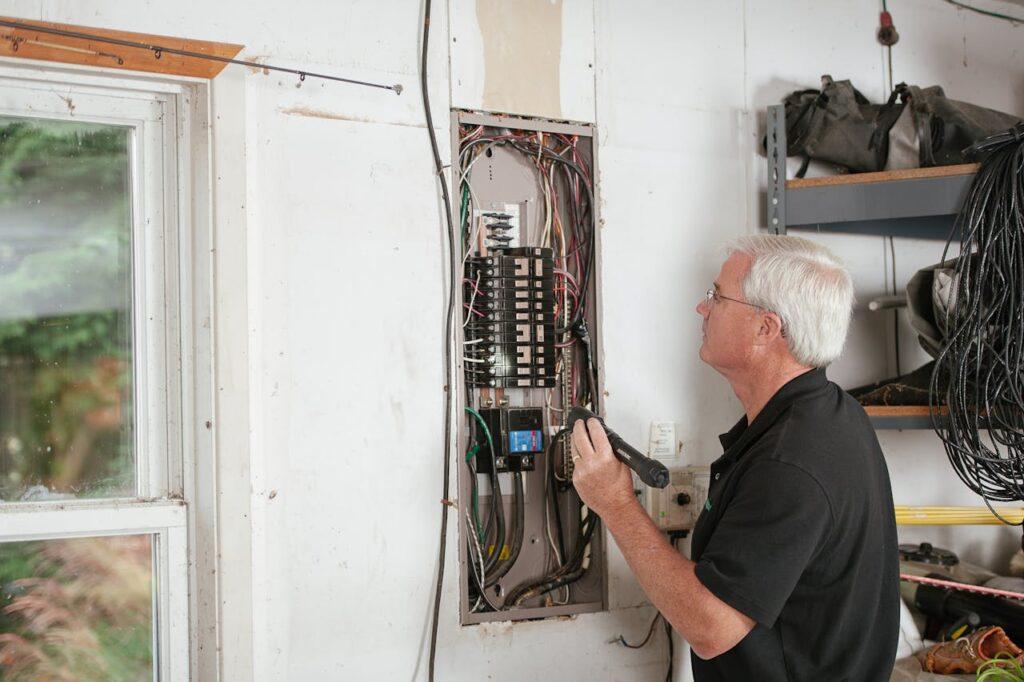
When a property’s features, layout, or design no longer align with market expectations, it can lead to functional obsolescence. Some examples here may be the absence of modern amenities, insufficient parking, or outdated floor plans. You can offset functional obsolescence and preserve competitiveness by actively upgrading the property even when tax depreciation continues.
The Impact of Depreciation on Cash Flow
Depreciation has a direct influence on the after-tax cash flow for landlords. Below are some of the impacts:
- Lowers taxable income: Landlords can lower the taxable rental income by deducting depreciation. Especially for properties with strong cash flow, this reduction can lead to significant tax savings.
- Supports reinvestment: As cash flow increases, landlords can reinvest in additional properties, upgrades, or maintenance. The property’s value and portfolio growth can be enhanced by this reinvestment over time.
Capital Improvements and Depreciation
For the purpose of depreciation, all property expenses are not treated equally. Normal repairs, such as replacing broken fixtures or fixing leaks, are usually deducted from the year in which the expenses occurred. However, capital improvements such as major renovations or roof replacements must be capitalized and depreciated over time.
Landlords can strategically plan projects and align long-term financial goals with expenditures when they understand this difference. It is essential to note that, depending on the asset type, capital improvements can have different depreciation schedules. With this, landlords can allocate deductions precisely to optimize tax outcomes.
Depreciation Recapture During Sale
During ownership, depreciation provides substantial tax benefits. However, it also has significant implications during a property sale. If a property is sold for more than its adjusted basis, depreciation recapture occurs. According to the IRS, landlords are required to pay tax on previously claimed depreciation, and this is usually at a capped rate.
Landlords who are aware of depreciation recapture can plan their exit strategically. 1031 exchanges can be used to defer taxes, including recapture, if proceeds from the property sale are reinvested into qualifying properties.
Common Mistakes Landlords Make with Depreciation
Failing to Claim Depreciation
Because of concerns about depreciation recapture, some landlords avoid depreciation. Depreciation deduction is generally mandatory. Failing to claim them will still lead to recapture during the sale.
Improper Basis Allocation
Depreciation calculations can be distorted if there is an incorrect allocation of values for land and improvements.
Overlooking Professional Guidance
Tax regulations keep evolving, and they are complex. Partnering with professionals will ensure accurate reports and optimum outcomes.
Final Thoughts
Depreciation is an essential aspect of owning rental properties that affects long-term strategy, cash flow, and taxes. We advise that landlords partner with property management companies.
These professionals will ensure that you align depreciation benefits with asset preservation.
They do this by performing maintenance oversights, market positioning, and accurate financial reporting. Contact Louise Beck Properties today for more information!