
Key Takeaways
- Prioritize routine inspections of life-safety systems, exterior conditions, and access points to identify issues before they become costly problems.
- Keep detailed records of inspections, repairs, vendor access, and emergency contacts so you can respond quickly when issues arise.
- Protect vacant rentals with regular documented visits, ongoing exterior maintenance, and secure access controls instead of relying on appearances alone.
- Choose security technology that you can consistently manage, maintain, and update throughout the life of your rental property.
Property risk rarely stays in one category. A security failure can become an insurance claim, while deferred maintenance or a broken gate can affect safety and resident confidence.
For landlords, protection is an operating discipline. Safer rentals identify hazards early, assign responsibilities clearly, and use dependable procedures rather than memory. In this article, Louise Beck Properties will go over our tips and tricks for keeping your rental home safe.
Define What You Are Protecting
Beyond the structure, potential exposure includes appliances, landscaping, utility equipment, garages, storage, parking areas, and access systems.
Residents, visitors, contractors, and neighboring properties may also be affected. The purpose is to identify where a single failure could harm people, interrupt rental income, or create an expensive claim.
Consider several loss scenarios:
- A pipe bursts while the tenant is away.
- A former roommate retains the entry code.
- A delivery remains visible from the street.
- A tree limb damages the roof.
- A contractor leaves an entrance unsecured.
- A fire spreads because an alarm failed.
Evaluating realistic risks helps owners prioritize meaningful protections instead of purchasing equipment without a clear purpose.
Put Life Safety Ahead of Property Crime
Test required alarms, keep exits clear, repair unstable steps, secure railings, and correct damaged outlets or exposed wiring. Heating equipment, fireplaces, and dryer vents also require professional care.
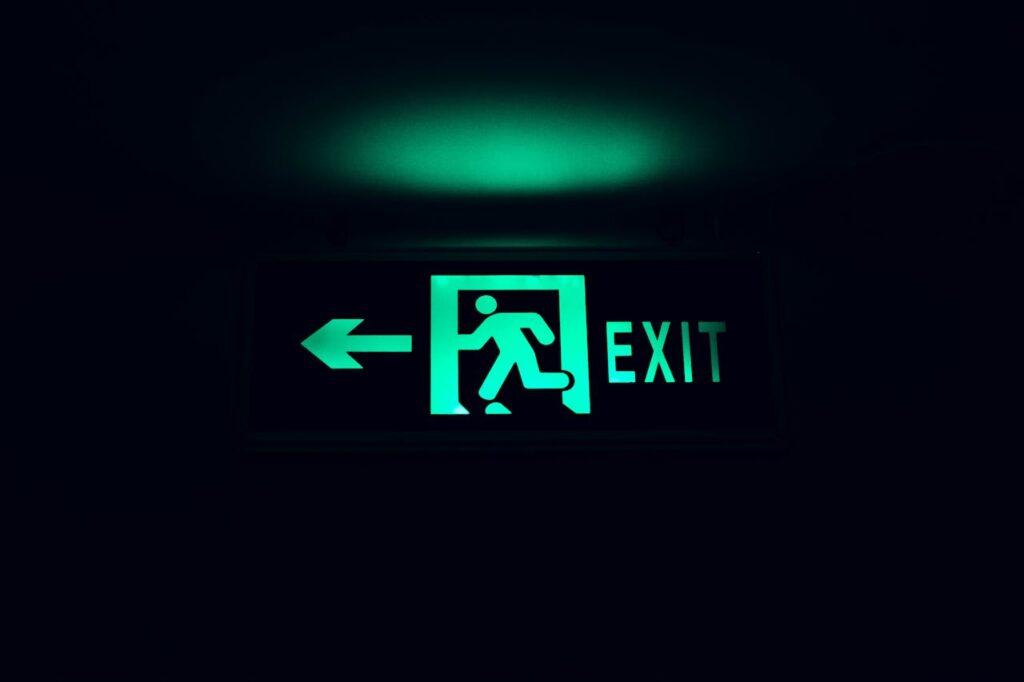
A frequently tripping breaker, hot outlet cover, or unexplained alarm should be investigated rather than repeatedly reset. Routine testing also confirms that safety equipment remains accessible and has not been disabled, blocked, or damaged during the tenancy.
Document the date, condition, and corrective action for every inspection and repair.
Make the Exterior Work as a Deterrent
Replace failed lights, repair fencing and gates, remove abandoned items, and trim vegetation that conceals entrances or windows. Keep property numbers visible for emergency responders and vendors.
Use appropriate lighting around entrances, pathways, parking, trash areas, and detached structures. Inspect the exterior after dark because shadows and blind spots may not be obvious during daylight.
Avoid introducing new hazards through extension cords, poorly mounted fixtures, sharp fencing, or obstructed walkways.
Control Vendors as Carefully as Tenants
Record who received a key or code, why it was needed, and when it was returned or canceled. Use time-limited credentials instead of permanent codes where possible.
Provide vendors only the information required for the job. A contractor servicing one area does not need unrelated access codes or details about the resident’s schedule.
After major work, confirm that entrances are secured, tools and debris are removed, and disabled security equipment is restored.
Design Technology Around Failure
Before installation, determine what happens during a power or internet outage, who maintains the equipment, who receives alerts, and how former users will be removed. Residents should also know whom to contact if a digital lock, alarm, or other device stops working.
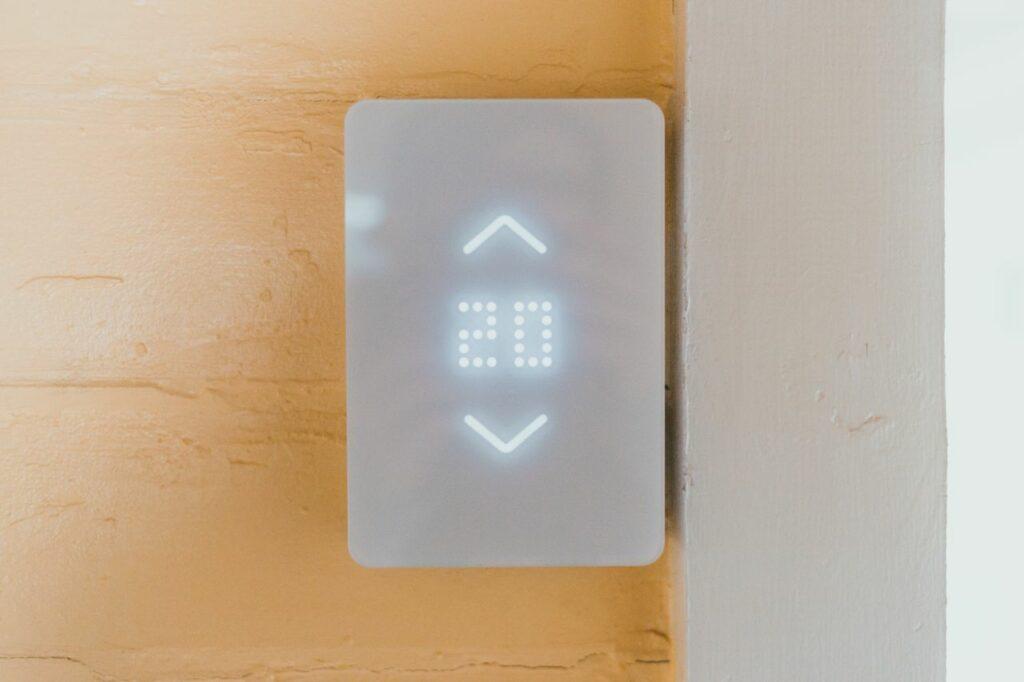
Choose technology that can be managed consistently. A simple, dependable system may outperform complicated equipment nobody fully understands.
Prepare Residents for the First Five Minutes
Residents should know how to contact emergency services, reach management, exit safely, identify urgent hazards, and shut off water when appropriate. Keep written instructions easy to locate rather than buried in the lease.
For example, knowing where the water shutoff is located can limit damage from a separated washing-machine hose while professional help is being arranged.
Protect Vacant Properties Differently
Unoccupied rentals face risks such as trespassing, vandalism, accumulated mail, water damage, and equipment theft. Insurance conditions may also change during extended vacancies.
Collect mail, maintain landscaping, confirm utilities, remove contractor debris, and inspect the interior regularly. Avoid boxes, discarded appliances, open curtains, or neglected yards that reveal the home is empty.
Timers or other appropriate measures may create ordinary activity, but they should not replace documented visits. Regular inspections can uncover leaks, damaged doors, pest activity, or unauthorized entry before the loss grows.
Build a Recovery File Before an Emergency
Keep insurance details, emergency contacts, utility information, warranties, photographs, appliance records, leases, inspection reports, and vendor information in secure physical and digital files.
Include basic instructions for notifying insurers, residents, association representatives, and local authorities when applicable. Assign response responsibilities when several people manage the property.

Review the file annually to replace outdated contacts, expired policies, or instructions that no longer reflect the property.
Review Every Incident for a Preventable Cause
Determine whether equipment was already failing, a warning went unanswered, access was poorly controlled, or a repair closed without proper testing.
The purpose is to improve inspection schedules, equipment standards, communication procedures, or vendor instructions. Each incident should strengthen the property’s operating system and reduce the likelihood of the same loss occurring again.
Protect the Investment Through Better Systems
Rental safety depends on preparation, follow-through, and clear accountability. Owners who consistently manage life-safety equipment, exterior conditions, access credentials, vacancies, and emergency records as connected responsibilities are better positioned to limit losses.
Partner with an experienced property management team to establish dependable procedures, supervise vendors, communicate with residents, document property conditions, and respond effectively when problems arise.
Contact Louise Beck Properties today to create a safety plan that supports stable tenancies and protects the long-term value of your investment.
Frequently Asked Questions About How to Keep Your Investment Home Safe
How Often Should Landlords Inspect Their Rental Property for Safety Issues?
In addition to any inspections permitted under the lease and North Carolina law, owners should routinely evaluate exterior lighting, walkways, railings, smoke and carbon monoxide alarms, plumbing, and other critical systems between tenancies or during scheduled maintenance.
Keeping thorough inspection records also helps track recurring issues and supports better long-term property management decisions.
Does North Carolina Require Specific Safety Equipment in Rental Homes?
North Carolina landlords are generally responsible for maintaining rental properties in a safe and habitable condition, and state law includes requirements related to providing and maintaining smoke alarms.
Because regulations can change and individual situations vary, property owners should review current state laws and local building requirements or consult a qualified professional when questions arise.
How Should Owners Manage Contractor and Vendor Access to Rental Properties?
Property owners should keep records of who receives keys or access codes, provide only the access necessary to complete the work, and confirm that credentials are returned or deactivated once the job is finished.
After major repairs, it’s also wise to verify that doors, gates, windows, and any security equipment have been properly secured before considering the work complete.
What Additional Steps Should Owners Take When a Rental Property Is Vacant?
Regular documented inspections, continued lawn care, mail collection, utility monitoring where appropriate, and prompt removal of debris can help reduce risk.
Property owners should also review their insurance policy, as some insurers may have specific conditions or limitations for homes that remain vacant beyond a certain period.
How Can a Professional Property Management Company Help Improve Property Safety?
A professional property management company can help owners establish consistent procedures for inspections, maintenance coordination, vendor oversight, documentation, and emergency response.
Louise Beck Properties provides full-service residential property management for rental owners throughout Chapel Hill and surrounding communities, helping investors protect their properties through proactive management and responsive maintenance coordination.