Key Takeaways
- Reliable maintenance, preventive upkeep, and a well-kept property make tenants feel comfortable staying long-term.
- Being responsive, setting expectations, and respecting privacy builds trust and prevents conflicts.
- Features like parking, climate control, and work-from-home space matter more than flashy upgrades.
- Early lease decisions, reasonable flexibility, and treating tenants with respect encourages them to renew instead of move-out.
In North Carolina’s evolving rental landscape, where cities like Raleigh, Charlotte, and Greensboro continue to attract new residents, keeping a property occupied is only part of the equation.
The real advantage comes from keeping good tenants satisfied long enough that moving out never feels like the better option.
Happy renters tend to pay on time, take care of the property, and renew leases with minimal friction. Unhappy ones, on the other hand, create turnover, unexpected costs, and operational strain. The difference often comes down to how the property is managed day to day.
In this article, Louise Beck Properties will go over how landlords can build an environment that encourages tenants to stay.
Create a Living Experience That Feels Reliable
Most renters don’t expect perfection, but they do expect consistency. A property that functions well and is maintained properly becomes easier to live in over time.
Respond Quickly to Maintenance Issues
Delays turn minor concerns into major frustrations. Whether it’s a leaking faucet or HVAC issue during a humid North Carolina summer, prompt action shows tenants their comfort matters.
Stay Ahead With Preventive Upkeep
Regular inspections, seasonal servicing, and routine cleaning reduce surprises. Addressing wear early prevents larger repairs later.
Maintain a Clean and Presentable Property
First impressions fade, but overall condition remains important. A well-kept home encourages tenants to treat it with the same level of care.
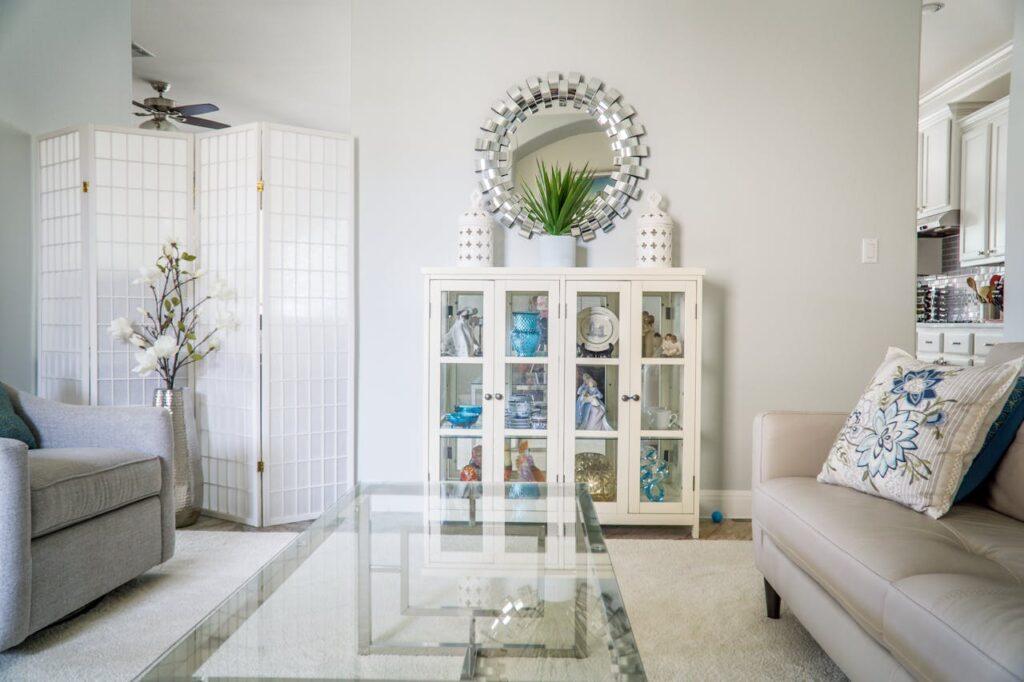
Tenants are far more likely to renew when their day-to-day environment feels stable and dependable .
Build Strong Communication Without Overstepping
Communication is often the deciding factor in whether tenants feel supported, or ignored.
Be Accessible and Responsive
Quick replies, even when the solution takes time, reassures tenants that their concerns are being handled.
Set Expectations Early and Clearly
From rent due dates to maintenance procedures, clarity reduces confusion and avoids unnecessary back-and-forth.
Respect Privacy at All Times
Providing proper notice before entering the property and scheduling visits considerately builds trust.
Handle Concerns With Professionalism
Listening calmly and offering solutions, rather than reacting emotionally, keeps situations from escalating.
Follow Up After Resolving Issues
A simple check-in after a repair or concern shows attention to detail and reinforces reliability.
In practice, tenants rarely expect constant interaction. They expect reliable communication when it matters.
Consistent communication habits also prevent small misunderstandings from turning into larger disputes, helping maintain a steady and respectful landlord-tenant relationship over time.
Offer Amenities That Match Local Demand
Not all upgrades carry the same weight. In North Carolina, tenant preferences vary by location, property type, and lifestyle.
Focus on Practical Features First
Parking, storage, and functional kitchens consistently rank high among renters.
Consider Climate-Related Upgrades
Efficient cooling systems, ceiling fans, and insulation are especially valuable in warmer regions.
Pay Attention to Evolving Needs
Work-from-home setups, outdoor space, and pet-friendly policies are increasingly important.
Avoid Over-Investing in Low-Impact Features
Amenities should align with what tenants actually use, not just what looks appealing in listings. When a property reflects how people live, it naturally becomes harder to replace.
Approach Lease Renewals With Intention
Renewals should never feel like an afterthought. Planning ahead gives both landlords and tenants more flexibility.
Start the Conversation Early
Reaching out 60 to 90 days before lease expiration gives tenants time to consider their options without pressure.
Address Concerns Before Renewal Discussions
If tenants have unresolved issues, they’re less likely to stay, regardless of pricing.
Offer Reasonable Incentives When Needed
Small gestures, such as minor upgrades or stable rent terms, can encourage long-term commitment.
Stay Open to Discussion
Understanding why a tenant might leave creates opportunities to resolve concerns before they turn into vacancies.
Provide Clarity on Future Terms
Being transparent about rent adjustments or policy changes helps tenants plan ahead and reduces uncertainty.
Replacing a tenant often costs more than retaining one, making proactive renewal strategies a worthwhile investment.
When renewals are handled thoughtfully, they feel less like negotiations and more like a continuation of an already stable living arrangement.
Balance Flexibility With Consistency
Tenants appreciate flexibility, but only when it’s applied fairly and within clear boundaries.
Allow Reasonable Customization
Letting tenants make minor changes, such as décor updates, helps them feel more at home.
Be Open to Practical Requests
Small accommodations, when feasible, can go a long way in building goodwill.
Apply Rules Evenly Across Tenants
Inconsistent enforcement can lead to frustration and perceived unfairness.
Keep Policies Firm But Reasonable
Structure is necessary, but overly rigid rules can push tenants to look elsewhere. The goal is to create a system that feels both fair and adaptable.
Treat Tenants Like Long-Term Partners
A rental property is a relationship-driven business.
Show Respect in All Interactions
Professionalism, courtesy, and attentiveness shape how tenants perceive their landlord.
Acknowledge Tenant Reliability
Long-term tenants who pay on time and maintain the property deserve recognition, even if it’s subtle.
Avoid Reactive Decision-Making
Thoughtful responses lead to better outcomes than rushed or emotional ones.
Focus on Long-Term Stability Over Short-Term Gains
Keeping a reliable tenant is often more valuable than maximizing rent in the short term. When tenants feel respected, they’re more likely to reciprocate with loyalty and care.
Retention as a Strategy
Keeping renters happy isn’t about one single action, it’s the result of consistent, thoughtful management. Maintenance, communication, pricing, and flexibility all work together to shape the tenant experience.
In North Carolina’s competitive rental market, retention is a strategy that reduces vacancy, stabilizes income, and strengthens long-term performance.
Turn Tenant Satisfaction Into Lasting Results
Managing tenant relationships while maintaining property standards can be time-consuming, especially as your portfolio grows. But with the right systems and support, it becomes a streamlined process.
If you want to improve tenant retention, reduce turnover, and keep your rental property operating at a high level, partnering with a professional property management team can make a measurable difference.
From handling maintenance to managing communication and renewals, the right team ensures your tenants stay satisfied, and your investment continues to perform consistently over time.
Partner with experts who understand the details, manage the communication, and keep your rental operating smoothly, no matter what situations arise. Contact Louise Beck Properties today to get started.